November 2026 Treasure Valley Market Update
What this market means for your next move
Walk through the homes you could choose, the payment you can live with and the money you would keep. Then decide what buying, selling or staying put would mean for you.
Start with the homes that compete with yours
A citywide number can be accurate and still give you the wrong impression about a particular home. Homes in a particular Eagle neighborhood and price range can move quickly while the broader figures look slow. Before choosing an offer or asking price, narrow the comparison to the neighborhood, price range, property type, condition and homes a buyer could realistically choose.
If you are buying, decide which part needs help: the monthly payment, cash at closing or work the home needs. Compare a lower price with permitted help on transaction or financing costs. Ask your lender to show the full payment, cash due and the payment after any temporary assistance ends. A future refinance is uncertain, so the loan you accept today needs to fit.
If you are selling, start with closely matched resale sales. New construction can be a different product, with different condition, warranties and financing. When location, size, lot, quality and other material features closely match, the complete new home offer can help frame the upper end of what a buyer might pay for a resale. It is a competing choice, rather than an interchangeable resale comp or an absolute ceiling. Check current incentives and effective buyer cost alongside the advertised price.
If you need to sell and buy, compare realistic sale proceeds, the cash you want to keep, the next loan and moving costs together. The sections below walk through those decisions. Their October sales snapshot and October presentation charts remain clearly dated historical background; this November 19 update does not turn them into new observations.
Source context: the November 19, 2026 JPAR Live Local market update and official November presentation. The discussion informs these questions; property pricing and purchase terms still require a fresh, closely matched comparison.
Start with the part of your move that needs to work
You find a home you can picture yourself living in. Then you look at the payment, think about selling the home you already own, or wonder whether waiting would give you a better choice. That is where a market update needs to help. The useful question is how the market changes the move you want to make.
Start with the problem you are trying to solve. Maybe the house feels too small, the drive takes too much of your day, or the upkeep has become more than you want. Maybe you are ready to buy and want enough money left each month to enjoy living here. Your answer gives the numbers a purpose. A lower price helps only if the home, the payment and the timing work together.
Here is how I would walk through it with you. First, use October’s local sales to understand the places you are considering. Then narrow the choices to homes that would actually work for your household. After that, compare the full cost, the terms you could negotiate and, if you own a home, what selling would leave you for the next purchase. Nick Smith’s October monthly presentation provides the background charts throughout this guide. The local sales table adds October completed sales in Eagle, Meridian, Middleton and Star. Each chart keeps its own reporting dates, so you can tell what is background and what the newer local numbers show.
Know the full monthly cost
A lender’s maximum approval and a comfortable household budget can be different numbers.
Compare what buyers can choose
Your price, condition and terms need to make sense beside the homes a buyer could purchase instead.
Calculate the next loan
What you keep from your sale can change how much you need to borrow.
Put every offer on one sheet
Compare the price, loan costs, finished features and payment after any temporary help ends.
What do these prices mean for the places you are considering?
Start with where your budget might take you. The table below shows the middle sale price for each city in the October records reviewed. Half of those sales were above that price and half were below it. You will also hear this called the median. It gives you a useful place to begin a search, while the value of a particular home depends on its own features and alternatives.
| City | Middle sale price | Completed sales reviewed |
|---|---|---|
| Eagle | $1,089,000 | 85 |
| Meridian | $549,945 | 238 |
| Middleton | $527,802 | 64 |
| Star | $664,633 | 60 |
These are completed sales with October closing dates, including single family homes and homes with acreage. Think of the table as a broad view of the available records. The source notes at the end explain the coverage and why these totals can differ from an official report that counts when listings changed status.
Here is how I would use it with a buyer. Eagle’s middle sale price was about $1.09 million in this group. Meridian was about $550,000, Middleton about $528,000 and Star about $665,000. If you are deciding where to spend your time looking, those differences deserve attention. Then ask what the same budget buys in each place: the size and condition of the home, the lot, the drive and the features you would use every day. A lower city figure does not guarantee a lower price for the particular home you want.
For a seller, there is another important step. A city total mixes acreage, smaller homes and new construction. If more expensive homes happen to close one month, the middle price can rise even when a similar home down your street would sell for about the same amount. Before using a city number to choose your asking price, look at recent homes a buyer would reasonably compare with yours. That is where this broad picture starts becoming a decision about your home.
Which homes would you actually choose between?
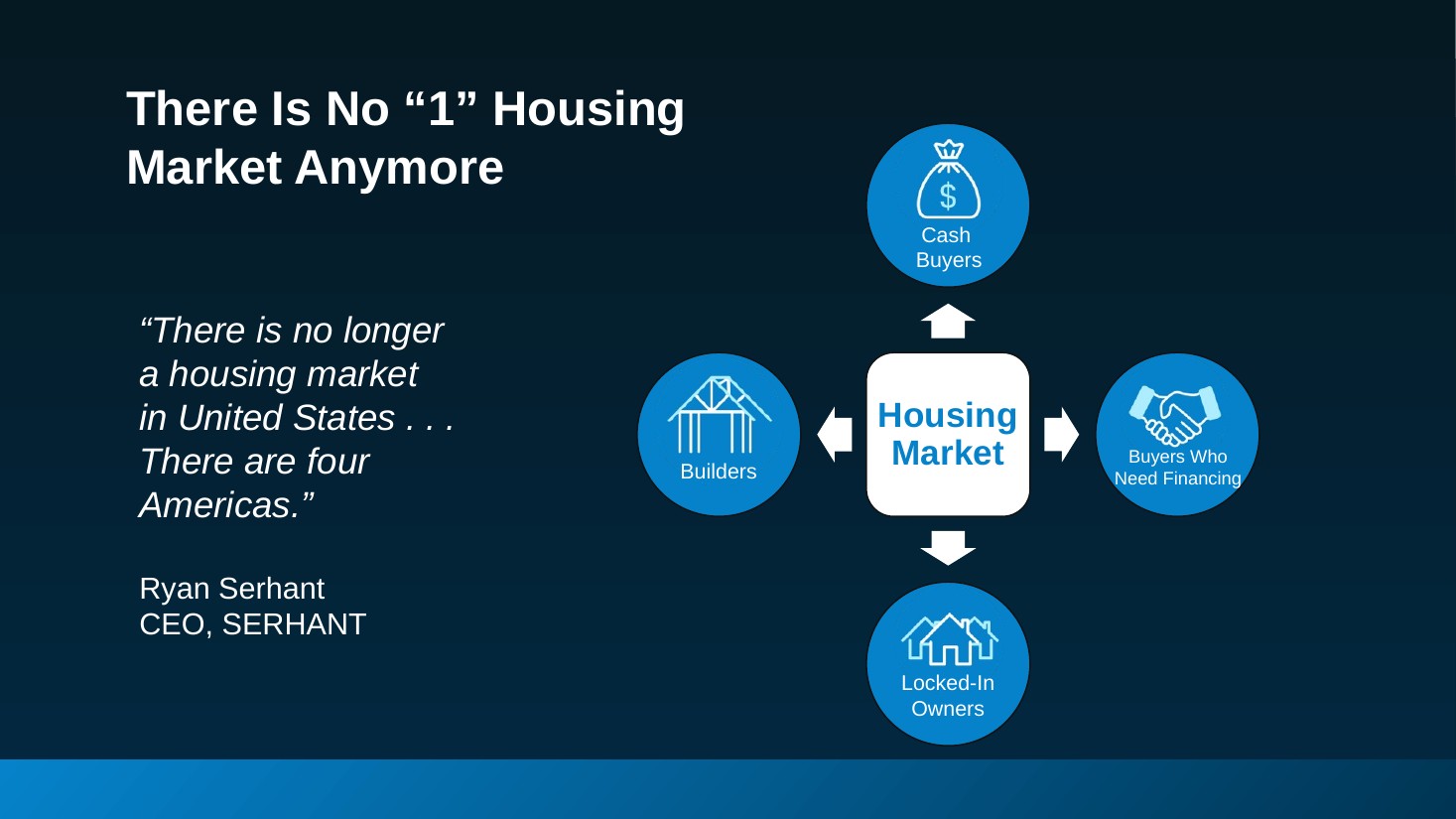
Now bring the search down to your everyday life. A national headline about more homes for sale may sound encouraging. Your choices can still be limited when you need a particular school boundary, a single level layout, a shop, acreage or a drive you can live with. The useful count is the homes you would seriously consider at a payment you can afford.
Nick’s monthly presentation made this distinction between the national picture and individual Treasure Valley cities. Carry that idea one step further into your price range and the kind of home you need. It keeps you from assuming every seller has plenty of competition or every buyer has to accept the asking price. Both depend on the choices around that particular home.
Make two short lists before comparing listings: what would be difficult to change later, and what you could comfortably improve. Location, lot and layout belong in the first conversation. Then compare genuine alternatives. A home with the same bedroom count and a drive that will not work for you offers little help when deciding whether another property is fairly priced. For a seller, the same exercise shows which homes are competing for your buyer’s attention.
Shows your alternatives today.
Shows which homes recently persuaded a buyer to commit.
Shows the price and result after the transaction finished.
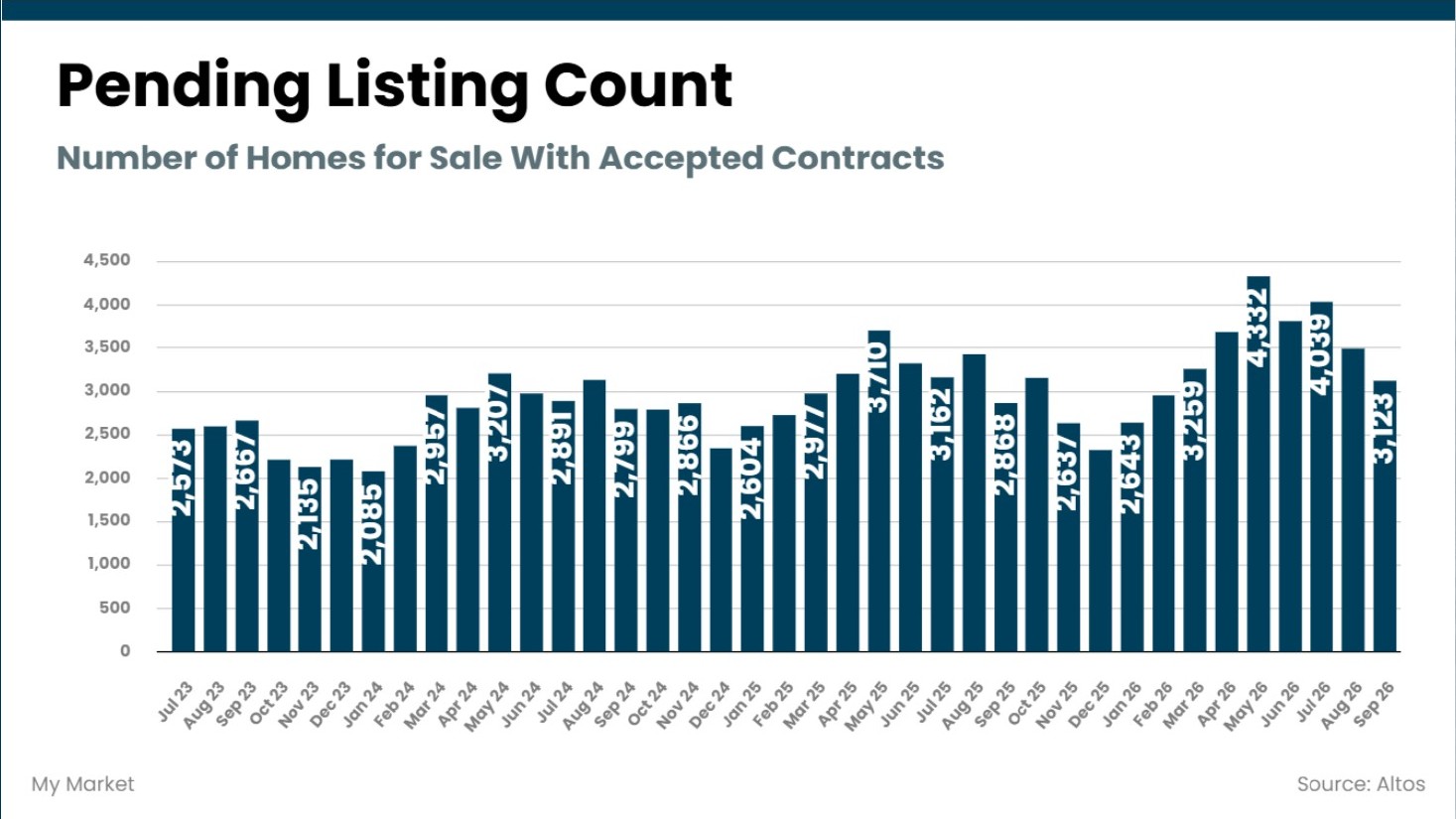
There is a timing difference in the chart above that matters here. A completed sale often reflects a decision made weeks earlier. A home that just went under contract can show what persuaded a buyer more recently, although the sale can still fall through and the final price may be unknown. Put those signals beside today’s available homes. You can then ask whether buyers are choosing homes like yours, passing them over, or finding something else that works better.
What will this home leave you to live on each month?
Once the location and home make sense, put the payment next to the rest of your life. Start with what feels comfortable after groceries, transportation, savings and your other commitments. Then ask the lender for the full monthly cost: principal and interest, property taxes, homeowners insurance, possible mortgage insurance and association dues. Repairs and utilities need room in the budget too. Being approved for an amount does not tell you how that payment will feel at home.
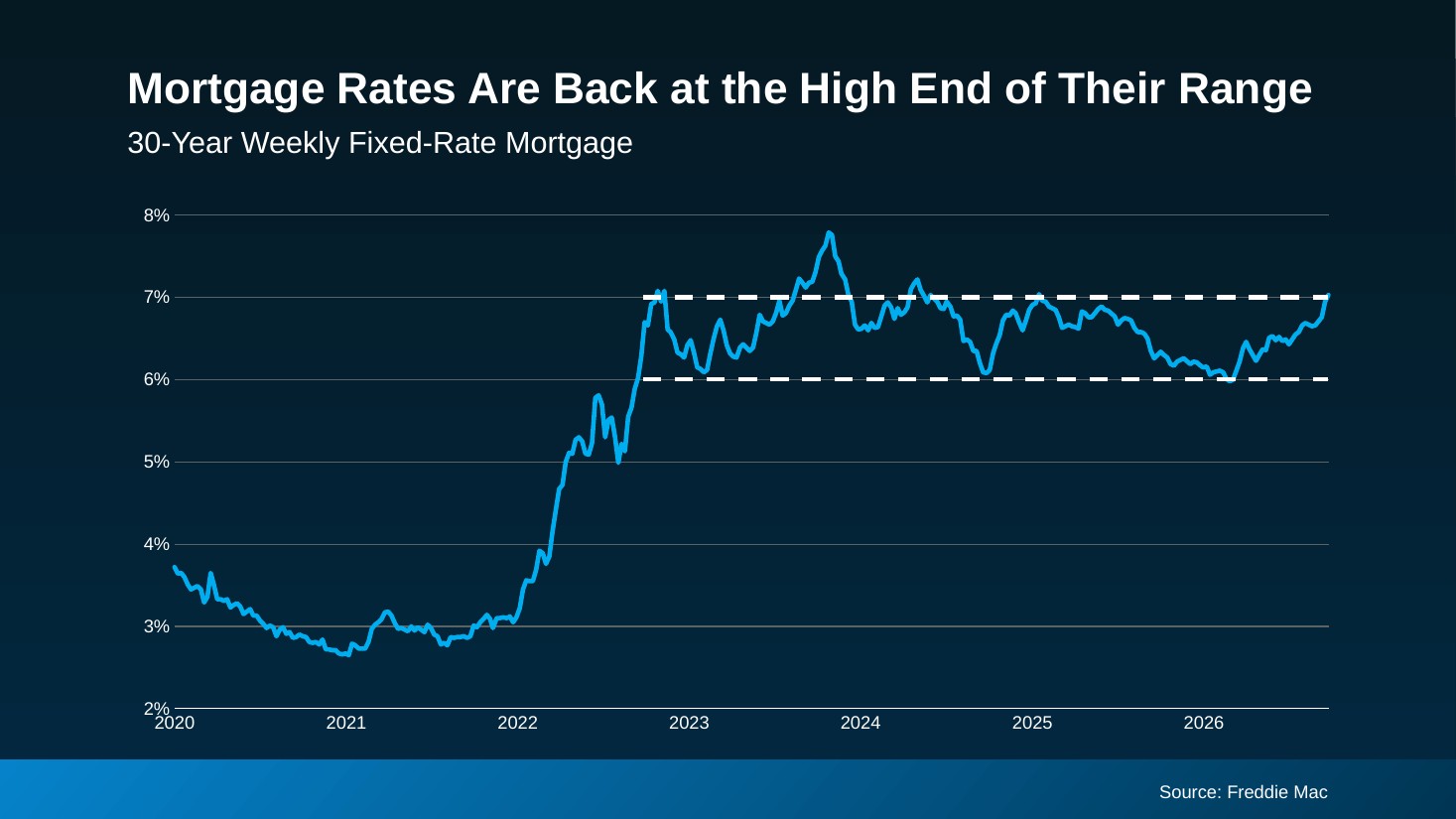
The comparison below shows why your budget deserves a fresh check while you search. Both examples use a $550,000 purchase, 20% down, a $440,000 loan and 30 years of payments. Only the illustrated rate changes. These are examples to explain the difference, rather than current loan quotes.
That difference is money your household would need to find every month, even though you bought the same house with the same down payment. Taxes, insurance, association dues and other ownership costs are still additional. Have a lender put the complete cost beside your comfortable budget before you decide what price range to tour. If your approval is older, refresh it so you are searching with a payment you can still use.
Now give the plan a simple stress test: would you be comfortable keeping this loan if refinancing took longer than you hoped? A refinance needs a new approval and can bring new costs. Future rates are unknown. The home should work with the loan you are agreeing to today, with any later improvement treated as a possibility.
When you compare lenders, ask for the same loan amount, loan type, down payment and rate lock period at roughly the same time. Use their written Loan Estimates to compare the full payment and money due at closing. A lower advertised rate may require more money upfront, so follow the comparison all the way through. The CFPB’s guide shows which parts of those written offers to compare.
What should you ask the seller to help with?
A home can be close to working for you and still have one obstacle: the price, the payment or the cash you would need at closing. Name that obstacle before deciding what to ask the seller for. A lower price can reduce the amount you borrow. Help with permitted closing costs can leave more of your savings available after the move. The most useful request depends on which part is holding you back.
When you hear “seller credit” or “concession,” it usually means the seller has agreed to pay some allowed transaction costs. Your loan and written agreement control how much is permitted and how it can be used. Ask the lender to show what that contribution would actually cover. You need to know how much less cash you would bring to closing, rather than treating the credit as spending money you receive afterward.
Lower purchase price
Reduces what you pay for the home and can reduce the amount borrowed. The payment effect depends on the loan and down payment.
Help with closing costs
Can reduce the cash you need to bring to closing when the lender permits the contribution and the costs qualify.
Money toward a lower rate
May reduce the ongoing payment or help temporarily. Ask exactly how long the benefit lasts and what it costs.
Help with the rate needs a second question: how long does it last? A permanent rate reduction generally involves an upfront charge for a lower rate. Temporary help reduces payments for a limited period. With a temporary program, look at the payment after that help ends and decide whether you would be comfortable paying it. That later number belongs in your decision from the start.
Put the options on one page: purchase price, amount borrowed, cash due at closing, payment during any introductory period, payment afterward and costs over the time you expect to keep the loan. When paying more upfront produces a monthly saving, divide the extra cost by that saving to estimate how long it takes to recover the expense. Ask what happens if you sell or refinance earlier. This makes it easier to choose the request that helps you after closing as well as on signing day.
Two lender terms are worth recognizing when you read the comparison. Points are upfront loan charges used to obtain a lower rate. Lender credits generally reduce upfront costs in exchange for a higher rate. A seller paying some closing costs is a separate arrangement. Ask who is providing the help and what you give up to receive it. The CFPB explains how points and lender credits change those costs.
Why would a buyer choose your home?
Put yourself in the buyer’s position for a moment. They see your home, another resale nearby and perhaps a new home with a financing offer. They are weighing the monthly cost, the work needed before moving in and how each place would fit their life. Your price and presentation need to make sense beside those choices. A neighbor’s sale from another time is one piece of that conversation.
Start by deciding what a successful sale needs to accomplish for you. If the next move depends on a particular date, preparation time and the buyer’s ability to close deserve attention alongside price. If you have more flexibility, agree on how long to try a strategy and what response would tell you to adjust it. A plan made before the first showing is easier to follow than a decision made after weeks of uncertainty.
Then decide which work is worth doing. Look for concerns that could make a buyer hesitate: a visible repair, an unexplained maintenance issue or a presentation that makes the home hard to understand. Addressing those concerns may help more than an expensive cosmetic project. Compare the likely cost with how the home would compete afterward. The goal is to prepare the house in a way that helps your sale and leaves you with a sensible result.
Check the alternatives
Tour the comparable choices through a buyer’s eyes, including new homes and their financing offers.
Remove avoidable uncertainty
Address visible concerns and organize useful maintenance and repair information.
Review the response
Use showings, feedback and similar homes finding buyers to decide whether price, condition or terms need attention.
When an offer arrives, follow the money through to what you would keep. A higher price with a larger contribution toward the buyer’s costs can leave you with less than a lower offer with fewer costs. Then check financing, appraisal, inspection terms and the closing date. A useful offer needs both an acceptable result and a workable path to closing. The same careful comparison you used to set the price should help you choose what to accept.
Does keeping your low rate still give you the home you need?
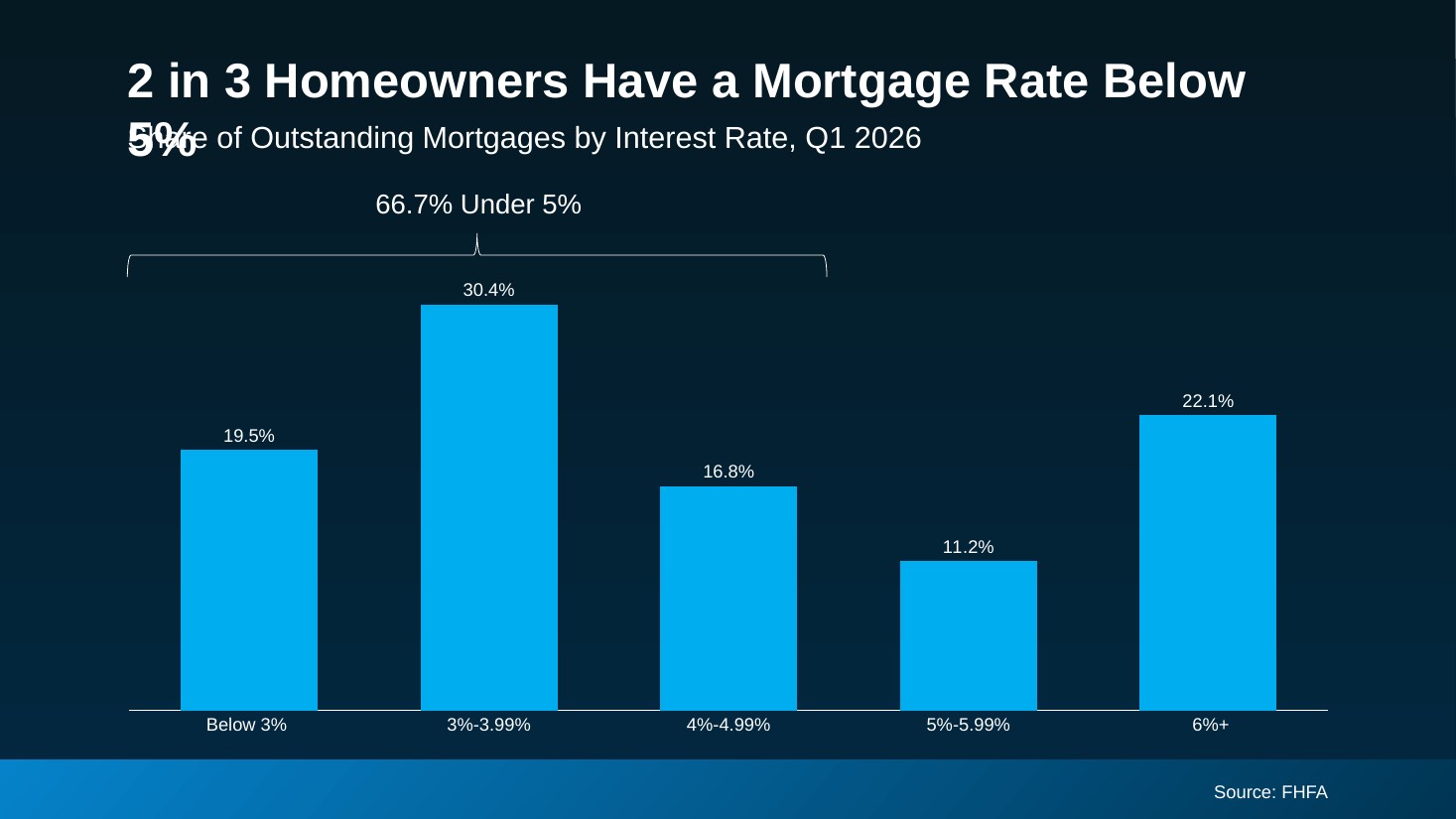
Giving up a low fixed mortgage rate can make a move feel out of reach before you look at a single home. Start by keeping that concern in the calculation. Then add the other parts: what your current home could sell for, what you owe and how much of the money left from the sale you want to use for the next purchase. Those figures determine the size of the next loan, which matters alongside its rate.
You will hear the word equity here. It means your home’s estimated value minus what you owe. To understand what you could use for a move, also subtract selling costs and any other amounts due. Work from a realistic sale range, then separate the down payment from the cash you want to preserve for moving, savings and other needs. That turns a broad estimate of wealth in the house into a practical moving budget.
Estimated sale price less your mortgage payoff and selling costs.
Savings, moving expenses and the cushion you want after the move.
What you would need to borrow after applying the down payment you choose.
Now bring the reason for moving back into the picture. A different layout, a shorter drive or less maintenance may be worth a higher payment to one household. Another may decide the benefit is too small for the added cost. Put the next payment beside the problem the move would solve. That is a more useful conversation than stopping as soon as the new rate is higher than the old one.
Staying and improving the house belongs on the same comparison sheet. Include the project cost, any borrowing cost, the disruption and whether the finished home will solve the problem. A home equity line of credit may have a variable rate, so check its payment separately. Keeping a low first mortgage can be valuable while the extra cost of remodeling still needs its own careful look.
What is the builder’s offer worth after you move in?
An advertised rate or a large builder incentive can make a new home worth a closer look. Nick’s presentation discussed price changes and help with loan costs among builders’ offers. Use that as a reason to ask about the specific home you like. The offer, its conditions and the costs left afterward are what determine whether it helps you.
Ask for the exact terms in writing. Does the promotion apply to this home? Must you use a preferred lender or close by a certain date? Are there upfront charges, and how long does the advertised payment last? A finished home ready for a buyer can have different terms from one that is months from completion. You want the offer that applies to your purchase and your timing.
Put these six items on the comparison sheet
Then picture the first months of living there. Find out whether landscaping, fencing, window coverings and appliances are included or still need to be paid for. Add taxes, association fees and any unfinished work to the comparison. Consider the location and nearby construction as well. A financing benefit can be useful while the rest of the home still needs to fit your budget and everyday life.
This also matters if you are selling an existing home near new construction. Your buyer may be comparing your price with a new home that includes help on financing. Make your own home’s advantages easy to understand: perhaps an established setting, a completed yard or a location that suits the buyer. Compare the whole offer they would receive in each place, then decide how your price, condition and terms should respond.
Where does paying cash help, and what still needs checking?
Paying cash can give you more room to shape an offer. Without a purchase loan, you may be able to offer fewer financing conditions or a closing schedule that suits the seller. Ask which of those benefits the seller actually values. That will help you decide how to use your position without assuming every seller will accept a much lower price for cash.
Next, decide how much accessible money you want left after closing. Set aside what you expect to need for moving, repairs, ongoing ownership costs and other commitments. The ease of buying without a loan is only one part of a purchase that could tie up a substantial amount of your money. The home and the remaining cushion both need to make sense.
If you are the seller, compare cash and financed offers by what you would keep and how each transaction is likely to reach closing. A well supported financed offer may be more attractive than a much lower cash offer. Review proof of funds, deadlines and the actual contract. Then keep the property questions in view, whichever way the buyer plans to pay.
Why can the mortgage quote change when the headline sounds good?
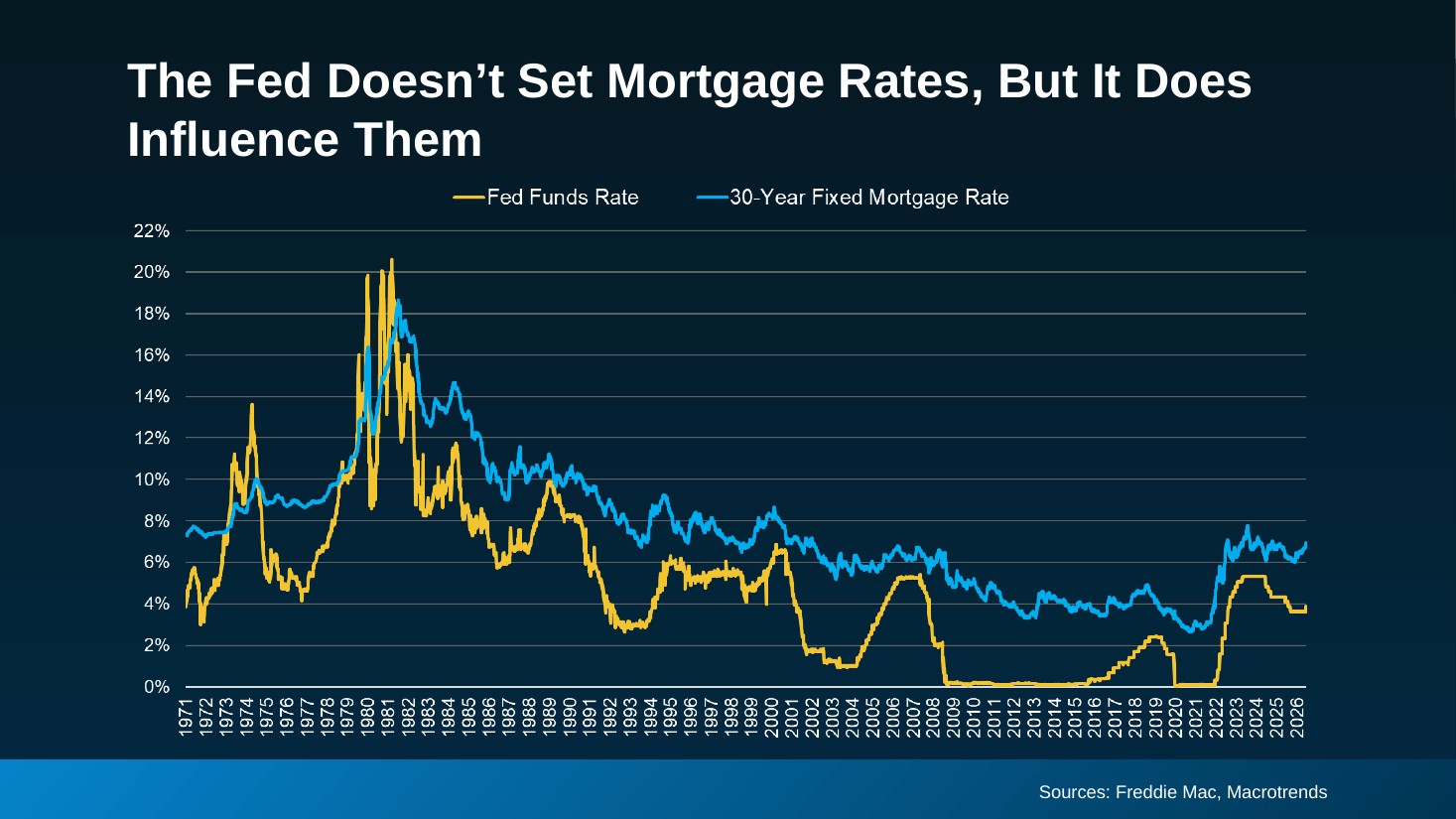
You hear that the Federal Reserve changed a rate, then the mortgage quote does something you did not expect. It is a reasonable source of confusion. Understanding a little of what sits behind that quote can help you avoid planning a purchase around a headline that was never a promise about your loan.
The Federal Reserve influences borrowing conditions, but it does not directly set the mortgage rate your lender offers. Mortgage pricing also reflects what investors expect about inflation, the economy and returns on investments held over longer periods. That is why a change in the Fed’s short term rate does not require an equal change in your home loan rate. The Federal Reserve Bank of St. Louis explains how these rates are connected.
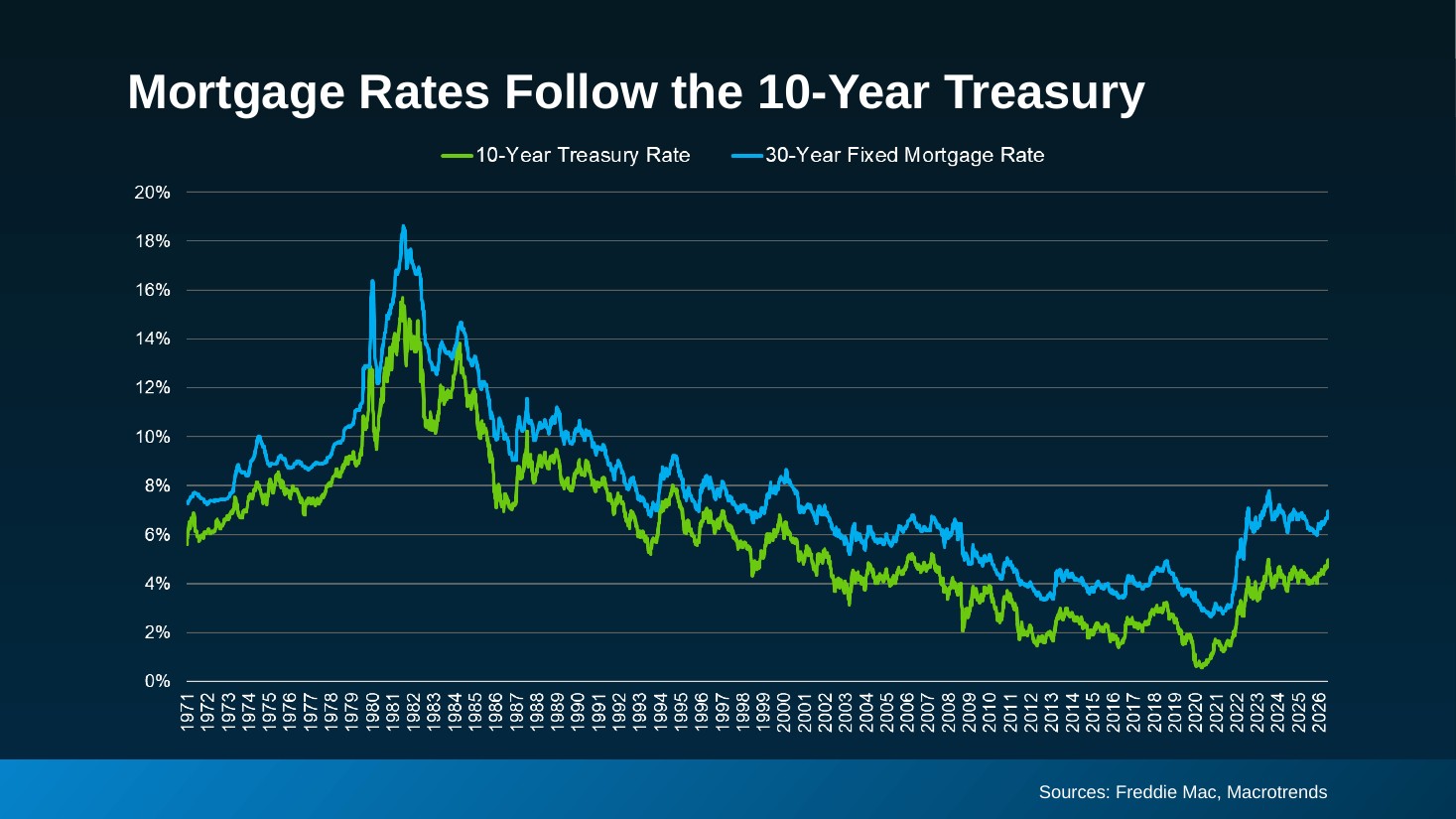
The next chart adds another piece: the 10 year Treasury. This is a longer term government borrowing rate watched by lenders and investors. Mortgage rates often move in a similar direction, although the two rates are different. The practical step for your search is straightforward: when conditions change, get an updated lender quote. You can then compare the payment with your budget instead of guessing how a headline will affect it.
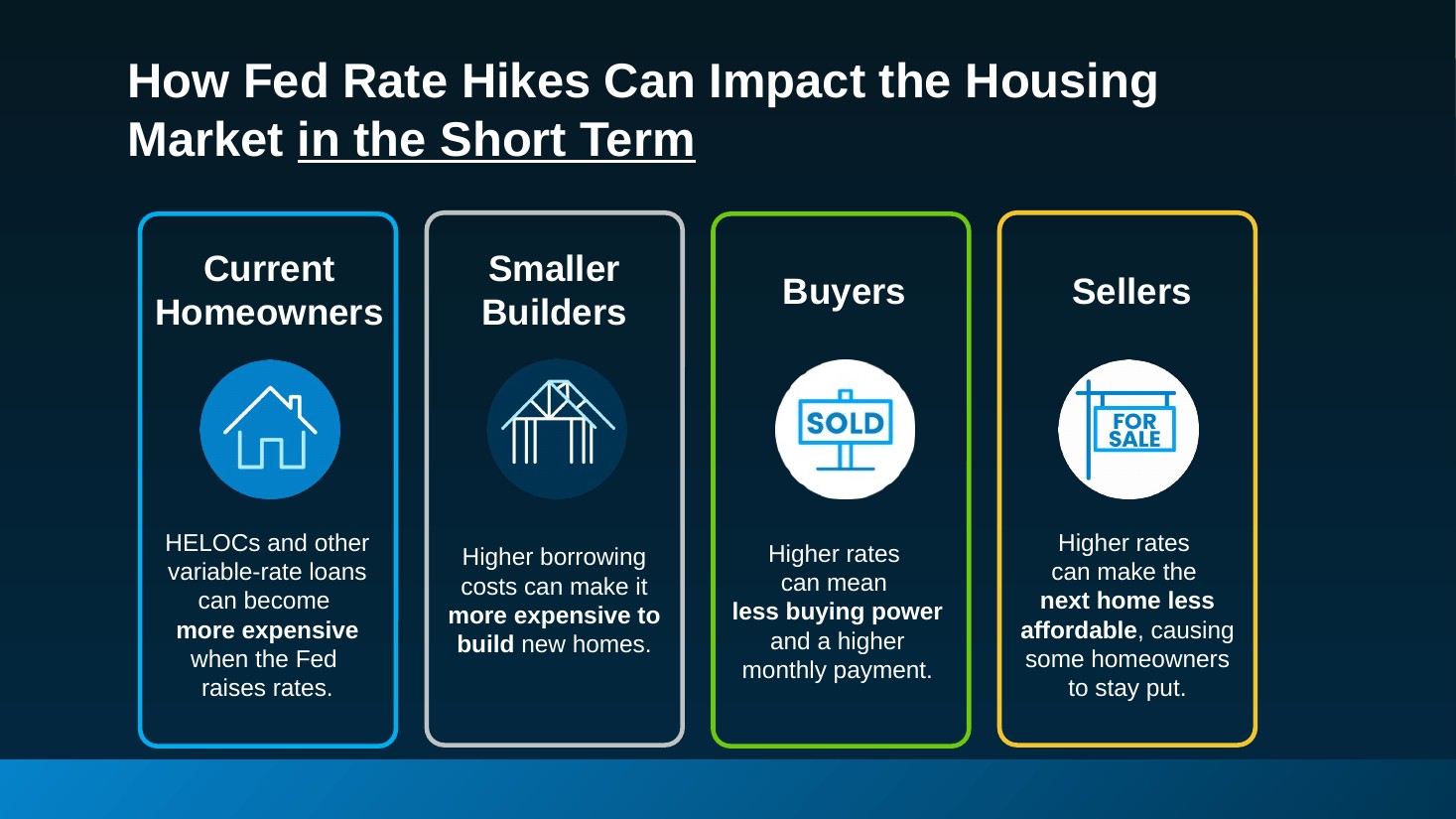
Now follow that borrowing change through a transaction. A buyer may qualify for a smaller loan. An owner may decide the next payment makes moving less appealing. A builder may face higher financing costs while waiting for a sale. Those pressures can affect choices and negotiating decisions in different ways. To understand a particular home, ask which pressure applies there and what other acceptable homes a buyer could choose.
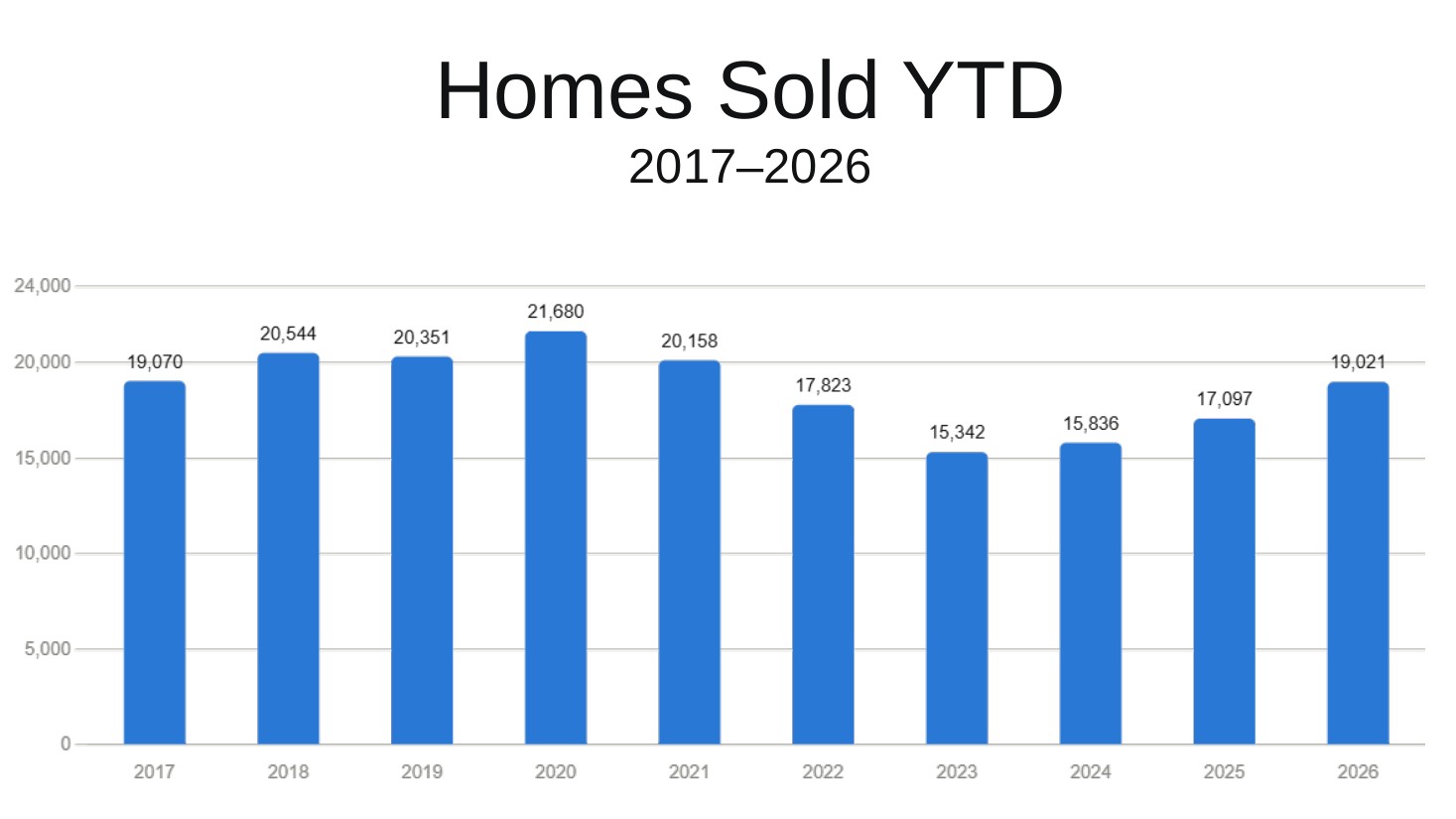
The completed sales chart adds activity to the picture. In the presentation’s January 1 through October 14 comparison across the entire MLS, 19,021 sales in 2026 compared with 17,097 in 2025, about 11% more. More transactions finished in that broader area and period. It does not tell you that your home gained the same percentage in value, and it measures something different from the four October city samples earlier in this guide.
As you read a chart, pause long enough to ask where the numbers come from, what dates they cover and what they count. A national result can sit beside a very different local experience. Available homes, signed agreements and completed sales each answer a different question. Keeping those distinctions clear helps you use the chart to ask about your payment, your competition or your next offer with more confidence.
What would make your next move a good decision?
By this point, the useful questions should be getting more specific. If you are buying, start with the payment you would be comfortable keeping, the cash you want left and the features your home needs. Then compare actual choices and ask whether price, timing or help with permitted costs would improve the purchase. You will have a clearer reason to act on one home or keep looking.
If you are selling, start with what the sale needs to accomplish: the money you want to keep, your timing and the next step it needs to support. Compare the homes a buyer could choose, decide which preparation is worthwhile and agree on when to review the response. That gives each showing and offer a place in a plan.
If you need to do both, put the sale and purchase on the same page before committing to either. The proceeds, savings cushion, next loan and moving sequence all affect one another. Tell me which city you are considering, when you hope to move and what needs to be different about the next home. We can work through the choices that apply to you.
Tell me your city, your timing and what needs to change
I can help you compare the homes and numbers that apply to your situation.
Brian Hymas · JPAR Live Local · 208 891 4200
Dates, sources and how to read the numbers
This guide was expanded November 9, 2026, and its explanation was revised November 18, 2026. The local sales snapshot remains the records reviewed November 9. Local sales figures cover October 1 through October 31, 2026. Original presentation charts are from Nick Smith’s October 2026 JPAR Live Local monthly market presentation and retain their own earlier reporting periods. They are background for the explanation, rather than a new November forecast.
The four city calculations use existing Intermountain MLS records for single family homes and single family homes with acreage, with a positive recorded sale price and an October closing date. Each MLS ID is counted once. There are 85 Eagle, 238 Meridian, 64 Middleton and 60 Star sales in this reviewed sample. The middle price is calculated from those records. Coverage and later corrections can change a sample. This closing date method is different from an official report based on the date a listing changed to sold status, so these figures should not be compared as though the methods are identical.
These figures describe completed sales. They do not count how many homes remain available today. A current home search or pricing opinion needs a fresh, property specific comparison.
- CFPB: comparing written loan offers
- CFPB: upfront charges, points and lender credits
- Federal Reserve Bank of St. Louis: what determines mortgage rates
The payment comparison is an illustration using a $550,000 price, 20% down, a $440,000 loan and a 30 year fixed term. The illustrated 6% and 7% rates are not offers or current quotes. The payments include principal and interest only. Actual loan terms, taxes, insurance, fees, eligibility and property costs depend on the purchase and borrower.

About the author
Brian Hymas
I've spent 35 years in the Treasure Valley — born in Boise, raised in Meridian, lived in Eagle for 8 years, now on acreage in Middleton. Before I was an agent, I was an appraiser. That means I see homes differently than most. I've closed over 120 transactions and more than $100M in sales, but the number I'm most proud of is the families who moved here from California, Washington, and beyond and said it was the best decision they ever made. There's a lot more to the story.
Thinking about a move?
Thinking about moving
to the Treasure Valley?
Start with the 2 minute Boise Match Quiz. Then book a 30 minute call to talk through your matches, budget, and next steps.
Take the 2 Minute Boise Match Quiz